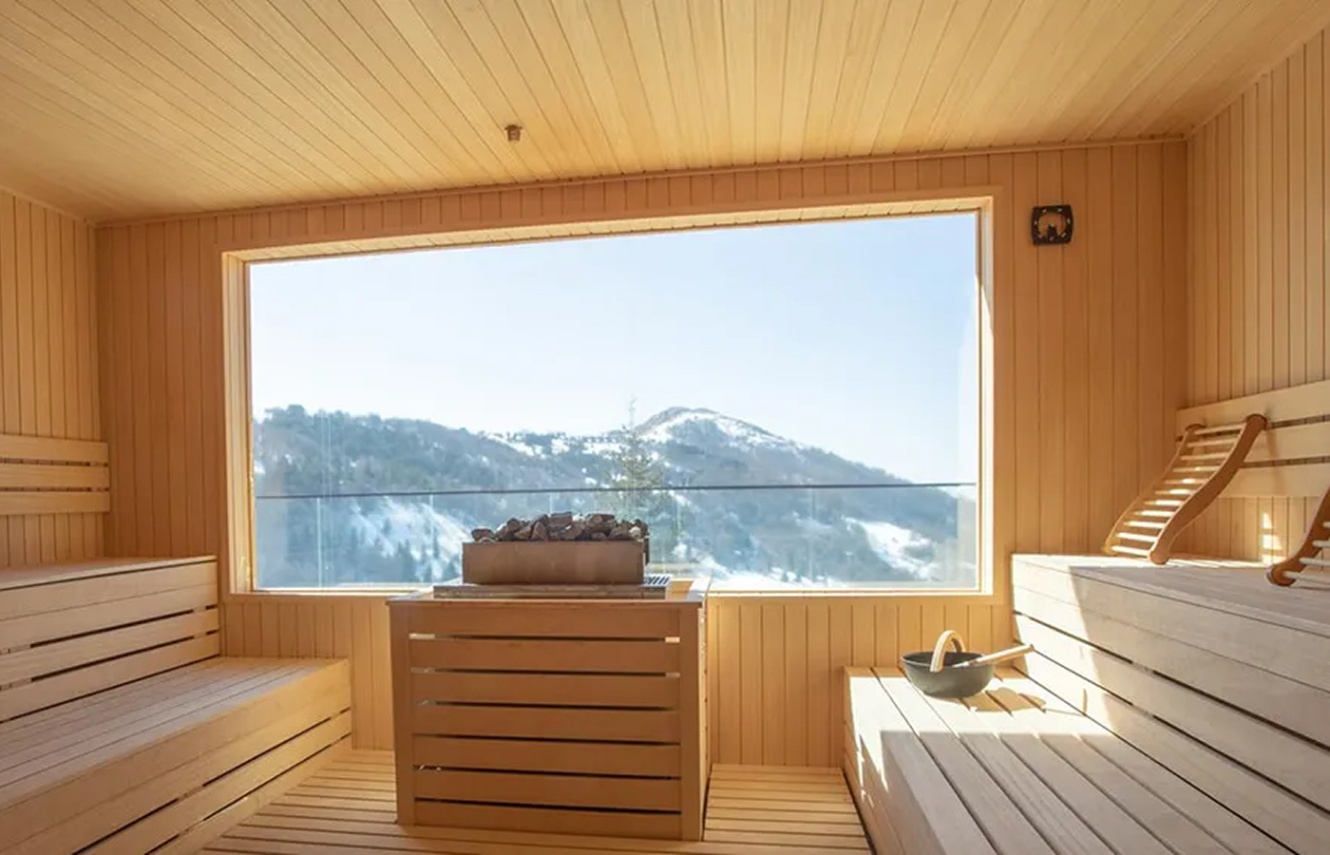
Sauna and Cold Plunge in Arizona: Designing Your Own Luxury Home Wellness Space
Creating a personal wellness space at home has become an increasingly appealing option for homeowners who want to enjoy the convenience of a sauna and cold plunge without visiting a gym, spa, or wellness facility.
In Arizona, where outdoor living, luxury home design, and year-round wellness are important parts of many homeowners’ lifestyles, combining a custom sauna with a cold plunge can create a distinctive addition to a property.
At David’s Craft: Homes and Saunas, we help homeowners design and build custom sauna environments that can be integrated with cold plunges, showers, and other wellness features.
Whether you’re planning a dedicated indoor wellness room, converting an unused bathroom, or creating a luxury backyard retreat, a thoughtfully designed sauna and cold plunge combination can transform an ordinary space into a private relaxation destination.
Why Combine a Sauna and Cold Plunge?
Saunas and cold plunges provide two very different temperature experiences.
A traditional sauna exposes the body to elevated temperatures, encouraging perspiration and relaxation. A cold plunge involves immersing the body in chilled water for a short period.
Some people enjoy alternating between hot and cold environments, a practice commonly known as contrast therapy. While research continues to explore the potential health benefits of heat and cold exposure, many homeowners appreciate the experience for its relaxation, refreshing sensation, and incorporation into a personal wellness routine.
However, cold-water immersion is not appropriate for everyone. Sudden cold exposure can produce significant cardiovascular stress, particularly for individuals with certain medical conditions. A home wellness space should be designed around comfortable, controlled use rather than extreme temperatures or prolonged exposure.
1. Choosing the Right Location for Your Home Wellness Space
One of the first decisions is whether to create an indoor or outdoor sauna and cold plunge area. Both options can work well in Arizona, but they involve different construction requirements.
Indoor Sauna and Cold Plunge Rooms
An indoor wellness room provides a private, climate-controlled environment that can be used throughout the year. Popular locations include large primary bathrooms, unused bedrooms, home gyms, converted garages, and dedicated wellness rooms. Indoor installations require careful planning for moisture management, drainage, electrical systems, ventilation, and the structural support needed for a filled cold plunge. A well-designed indoor wellness space can incorporate a custom sauna, cold plunge tub, shower, towel storage, and comfortable seating within one coordinated design.
Outdoor Sauna and Cold Plunge Retreats
Arizona’s climate makes outdoor wellness spaces particularly attractive. A custom sauna and cold plunge can be incorporated into a backyard, poolside area, covered patio, or detached wellness structure. Outdoor installations can also be designed to complement existing landscaping, swimming pools, and outdoor entertainment areas. However, Arizona’s intense summer sun and high ambient temperatures require special attention. For outdoor cold plunges in Arizona, we strongly recommend placing the unit in a shaded location, protected from direct sunlight. This is particularly important during the summer months, when temperatures in the Phoenix metropolitan area can exceed 110°F.
Direct sunlight can significantly increase the water temperature and place additional strain on the cold plunge chiller. Even high-quality cooling systems may struggle to maintain the desired water temperature when exposed to prolonged direct sunlight and extreme ambient heat.
Installing the cold plunge beneath a covered patio, pergola, or other properly designed shade structure can help reduce heat gain and improve cooling efficiency. However, the chiller must still receive adequate airflow, and the installation must comply with the manufacturer’s maximum ambient operating temperature and clearance requirements. Shade alone cannot guarantee performance during extreme heat.
2. Designing the Ideal Sauna and Cold Plunge Layout
A successful home wellness space begins with a practical layout. The sauna and cold plunge should be positioned to provide convenient movement between them while maintaining adequate clearance for safe access and maintenance. Depending on the available space, the design may incorporate the sauna and cold plunge side by side, across from one another, or in separate but connected areas.
Important Layout Considerations
Sauna Placement
The sauna should be positioned where its heating system, ventilation, and electrical connections can be properly installed. Custom saunas offer flexibility in dimensions, bench configurations, glass doors, and architectural finishes.
Cold Plunge Placement
The cold plunge requires adequate floor support, access for cleaning and maintenance, and suitable electrical and plumbing arrangements. A filled cold plunge can weigh thousands of pounds depending on its size, making structural evaluation especially important for elevated floors.
Shower and Rinse Area
A nearby shower is a practical addition, allowing users to rinse before entering the sauna or cold plunge.
Flooring and Drainage
Slip-resistant flooring and appropriate drainage are important, particularly in indoor installations where splashing and condensation can occur.
Lighting and Atmosphere
Indirect lighting, natural wood, stone finishes, and glass enclosures can create a cohesive, spa-inspired environment. At David’s Craft, we approach these elements as part of one coordinated design rather than treating the sauna and cold plunge as unrelated products.
3. Choosing Between Traditional, Infrared, and Hybrid Saunas
When designing a home wellness space, the type of sauna is an important decision. At David’s Craft, we can incorporate traditional, infrared, or hybrid heating systems into custom sauna designs.
Traditional Saunas
Traditional saunas use electric heaters and sauna stones to heat the surrounding air. They typically operate at higher temperatures than infrared saunas and provide the classic Finnish-style sauna experience. For homeowners interested in alternating between high-temperature sauna bathing and cold-water immersion, a traditional sauna is a popular option.
Infrared Saunas
Infrared saunas use radiant heating panels to warm occupants and interior surfaces. They generally operate at lower air temperatures than traditional saunas. Infrared heating can be incorporated into custom-built sauna rooms, although the placement of panels, benches, and electrical connections requires careful planning.
Hybrid Saunas
Hybrid saunas combine a traditional sauna heater with infrared heating panels in the same room. This configuration can provide greater versatility by allowing different heating experiences, depending on the equipment and approved operating modes. Hybrid saunas require additional planning because not all infrared components are suitable for the higher temperatures produced by traditional heaters.
For homeowners seeking a premium wellness space with multiple heating options, a properly designed hybrid sauna can be an attractive solution.
4. Selecting the Right Cold Plunge System for Arizona
Cold plunge equipment is especially important in Arizona, where high summer temperatures can place additional demands on cooling systems. A cold plunge is more than a tub filled with cold water. Many modern systems incorporate refrigeration equipment, circulation pumps, filtration, and sanitation components.
How Much Does a Quality Pre-Built Cold Plunge Cost?
A good-quality pre-built cold plunge typically starts at approximately $7,000, depending on the manufacturer, tub construction, cooling capacity, and included features. At this price point, homeowners can look for systems that incorporate an insulated tub, a dedicated water chiller, circulation equipment, and filtration.
More advanced models may include additional features such as smartphone connectivity, integrated heating and cooling, UV treatment, ozone systems, upgraded filtration, and premium exterior finishes.
The final price can increase depending on the model, specifications, and installation requirements. For homeowners in Arizona, we recommend prioritizing cooling performance, insulation, equipment reliability, and manufacturer-supported operating conditions rather than selecting a cold plunge based solely on appearance.
Cold Plunge Chillers
The chiller is responsible for lowering and maintaining the water temperature. Chiller capacity should be selected based on water volume, desired temperature, insulation, ambient conditions, and expected usage. In Arizona, an undersized chiller may struggle to maintain the desired temperature during extreme summer heat. For outdoor installations, proper shade is especially important.
A cold plunge exposed to direct afternoon sunlight can absorb considerable heat, increasing the workload on the chiller and potentially preventing the water from reaching its intended temperature. For this reason, we recommend installing outdoor cold plunges under a covered patio, pergola, or another shaded structure whenever possible, while ensuring the chiller has adequate ventilation.
Water Filtration and Sanitation
A properly maintained cold plunge should incorporate an appropriate water treatment and filtration system. Depending on the equipment, this may include replaceable filters, ultraviolet treatment, ozone systems, or other manufacturer-approved sanitation methods. UV and ozone can support water treatment, but they do not automatically replace the need for appropriate water chemistry, cleaning, and sanitation procedures.
Cold Plunge Temperature
Many cold plunge systems allow users to select different water temperatures according to their preferences. There is no need to use the lowest available setting to enjoy the experience. For beginners, a more moderate cold-water temperature and brief immersion are generally more appropriate than extreme cold exposure.
Cold plunges should be used cautiously, particularly by people with cardiovascular conditions or other health concerns.
5. Materials and Finishes for a Luxury Wellness Space
A well-designed sauna and cold plunge area should feel like a cohesive architectural feature of the home. Rather than simply placing two products in the same room, the surrounding finishes can create a unified design.
Premium Sauna Wood
Popular options for custom saunas include cedar, aspen, alder, and selected thermally modified woods. Each material provides a different appearance and texture. The wood selection should complement the home’s interior design while remaining appropriate for sauna temperatures and conditions.
Glass Sauna Enclosures
Full-glass sauna fronts and custom glass doors can create a more open, contemporary appearance.Glass also allows the sauna to visually connect with the cold plunge and surrounding wellness area.Because glass surfaces influence sauna heat loss, heater sizing should account for the amount of glazing.
Stone, Tile, and Decorative Surfaces
Porcelain tile, natural stone, and other moisture-resistant materials can be incorporated around the cold plunge and shower areas.Slip resistance, drainage, and maintenance should be considered when selecting these finishes.
Custom Lighting
Lighting can significantly influence the atmosphere of a wellness space. Possible features include under-bench sauna lighting, indirect wall lighting, backlit architectural details, and dimmable lighting around the cold plunge.
All sauna lighting must be rated for its intended temperature and installation location.
6. Electrical, Plumbing, Ventilation, and Drainage Requirements
A custom sauna and cold plunge combination involves several building systems that should be planned together. Electrical Requirements Traditional sauna heaters often require dedicated electrical circuits, while infrared systems may require multiple heating panels and additional electrical connections.
Cold plunge chillers, pumps, controls, and lighting also require power. Electrical capacity, circuit protection, equipment clearances, and installation methods must comply with applicable requirements and manufacturer specifications.
Plumbing and Drainage
Cold plunges need a practical method for filling, draining, and maintaining the water. Depending on the installation, dedicated plumbing connections or nearby drains may be appropriate. Indoor wellness spaces should also account for accidental spills, splashing, and cleaning.
Ventilation and Moisture Control
Saunas and cold plunges create different environmental conditions. The sauna produces substantial heat, while the cold plunge introduces water and potentially condensation. Proper ventilation and moisture management help protect surrounding construction materials and maintain indoor comfort.
For indoor installations, the HVAC system may also need to be evaluated to account for additional heat and humidity.
7. Designing a Sauna and Cold Plunge for Arizona’s Climate
Arizona’s climate creates both opportunities and challenges for home wellness installations. In Phoenix, Scottsdale, Paradise Valley, and surrounding communities, summer temperatures can exceed 110°F. This makes proper insulation, equipment selection, and exterior protection particularly important for outdoor installations.
Protecting Cold Plunge Equipment From Extreme Heat
One of the most important considerations for outdoor cold plunge installations in Arizona is protecting the unit from direct sun exposure. During the summer, intense sunlight can heat the tub and surrounding equipment, making it more difficult for the chiller to maintain cold water temperatures. Even a powerful cold plunge chiller has operating limits, and prolonged exposure to extreme ambient heat can reduce its cooling efficiency.
At David’s Craft, we recommend placing outdoor cold plunges in shaded areas whenever possible. A covered patio, pergola, or dedicated shade structure can help protect the unit from direct sunlight and reduce heat gain.
However, the chiller must have adequate ventilation and should not be enclosed in a tight cabinet or poorly ventilated space. The ideal installation combines shade, proper airflow, good insulation, and a chiller rated for the expected operating conditions.
Outdoor Sauna Construction
Outdoor saunas require suitable roofing, weatherproofing, insulation, and exterior finishes. Even in Arizona’s relatively dry climate, monsoon storms and seasonal weather changes must be considered.
For projects in higher-elevation areas such as Sedona and Flagstaff, colder winter conditions and other local environmental factors may influence the construction approach.
8. How Much Does a Custom Sauna and Cold Plunge Combination Cost in Arizona?
The cost of a custom sauna and cold plunge combination depends on the project’s size, materials, equipment, and construction requirements. At David’s Craft: Homes and Saunas, custom indoor saunas generally start at approximately $15,000, while custom indoor infrared saunas typically start around $19,000 and hybrid saunas around $22,000.
A typical custom indoor sauna project may average approximately $23,000–$25,000, depending on its dimensions, materials, and features. For the cold plunge portion of the project, a good-quality pre-built cold plunge typically starts at approximately $7,000, with pricing increasing depending on the cooling system, filtration, materials, and additional features.
What Is the Starting Cost for a Sauna and Cold Plunge Combination?
For homeowners considering both systems, the starting equipment and sauna construction costs can be illustrated as follows:
• Traditional Custom Sauna + Pre-Built Cold Plunge: Starting around $22,000.
• Custom Infrared Sauna + Pre-Built Cold Plunge: Starting around $26,000.
• Custom Hybrid Sauna + Pre-Built Cold Plunge: Starting around $29,000.
These are illustrative starting combinations based on the individual sauna and cold plunge prices. They are not all-inclusive installed project quotes. Electrical upgrades, plumbing, drainage, foundations, demolition, remodeling, cold plunge installation, and other site-specific work may add to the total investment.
What Influences the Total Project Cost?
Sauna Type and Dimensions
A larger sauna requires more materials, more extensive bench construction, and potentially a higher-capacity heating system. Infrared and hybrid configurations can also increase equipment and installation costs.
Cold Plunge Equipment
The cold plunge tub, chiller capacity, filtration, sanitation equipment, and control features all influence the final investment.
Interior and Exterior Finishes
Premium wood selections, glass enclosures, tile, stone, lighting, and decorative features can increase the overall cost.
Electrical and Plumbing Work
Electrical upgrades, dedicated circuits, plumbing modifications, and drainage systems may be necessary depending on the property.
Construction and Remodeling
Projects involving demolition, framing, waterproofing, flooring, or modifications to existing rooms will require additional labor and materials.
Is It More Cost-Effective to Build Both at the Same Time?
When homeowners are planning both a sauna and a cold plunge, designing them together can provide practical advantages. Electrical requirements, plumbing, drainage, flooring, and architectural finishes can be coordinated during one planning process. In some situations, this may reduce duplicated construction work compared with installing the systems separately at different times.
However, the actual savings depend on the property’s existing conditions and the scope of the project. For an accurate estimate, we recommend evaluating the entire wellness space rather than pricing each component without considering the surrounding construction.
9. Maintenance and Long-Term Performance
A home wellness space should be designed not only for appearance but also for convenient maintenance.
Sauna Maintenance
Sauna benches, walls, heaters, and ventilation openings should be inspected and cleaned regularly. Specialized sauna-compatible waxes and paraffin-oil treatments may help preserve wood surfaces and simplify cleaning when used according to manufacturer instructions.
Cold Plunge Maintenance
Cold plunges require regular filtration, water treatment, cleaning, and periodic equipment inspections. Maintenance requirements depend on the specific system, water conditions, and frequency of use.
Equipment Accessibility
When designing the space, we consider access to sauna heaters, electrical controls, cold plunge chillers, filters, and pumps. Providing adequate service access can make future maintenance easier and help prevent unnecessary modifications.
10. Custom Sauna and Cold Plunge Design Throughout Arizona
At David’s Craft: Homes and Saunas, we work with homeowners to develop custom sauna environments that complement their properties and wellness goals. Our projects can involve dedicated wellness rooms, primary bathroom renovations, home gyms, backyard retreats, and poolside installations.
We serve homeowners throughout the Phoenix metropolitan area, including Scottsdale, Paradise Valley, Phoenix, Tempe, Mesa, Chandler, Gilbert, Glendale, Peoria, and surrounding communities.
We also take on projects in other Arizona locations, including Tucson, Sedona, and Flagstaff. For projects outside the Phoenix metropolitan area, additional travel or lodging fees may apply depending on the location, project size, and time required on-site.
Why Choose David’s Craft for Your Home Wellness Space?
Creating a custom sauna and cold plunge combination requires coordination between design, construction, electrical systems, plumbing, ventilation, and equipment installation. At David’s Craft, we focus on creating functional, attractive wellness environments that integrate naturally with the surrounding home.
Our approach emphasizes:
• Custom Design: Sauna dimensions, seating, materials, and finishes tailored to the available space.
• Multiple Sauna Options: Traditional, infrared, and hybrid sauna configurations.
• Coordinated Wellness Spaces: Thoughtful integration of saunas, cold plunges, showers, and surrounding finishes.
• Premium Materials: Sauna-grade woods, glass enclosures, custom lighting, and architectural details.
• Practical Construction Planning: Consideration of electrical systems, plumbing, ventilation, drainage, and maintenance access.
• Arizona-Specific Design: Construction and equipment planning appropriate for local climate conditions.
Our objective is to create a wellness space that combines high-quality craftsmanship, thoughtful design, and long-term functionality.
Create Your Own Luxury Sauna and Cold Plunge Experience in Arizona
A custom sauna and cold plunge combination can transform a bathroom, home gym, backyard, or unused space into a private wellness retreat. Whether you prefer the classic heat of a traditional sauna, the lower-temperature experience of infrared heating, or the versatility of a hybrid sauna, the right design can bring together comfort, functionality, and architectural appeal.
When paired with a properly selected cold plunge system, custom lighting, premium wood finishes, and complementary materials, the result can be a distinctive addition to your Arizona home. At David’s Craft: Homes and Saunas, we help homeowners plan custom sauna environments and integrated wellness spaces designed around their properties and preferences.
Contact David’s Craft: Homes and Saunas today to discuss your custom sauna and cold plunge project in Arizona and request a personalized consultation and estimate.


AREAS WE SERVE
Phoenix
Scottsdale
Paradise Valley
Mesa
Chandler
Gilbert
Fountain Hills
Cave Creek
and More
Flagstaff (Spa)
Tucson (Spa)
ADDRESS
Office
E Friess Dr, Scottsdale,
Arizona, 85254
BUSINESS HOURS
Monday 9am-5pm
Tuesday 9am-5pm
Wednesday 9am-5pm
Thursday 9am-5pm
Friday 9am-5pm
Saturday – phone/social media
Sunday – phone/social media
CREDENTIALS
Licensed
Bonded
Insured
ROC 348782
CONTACT US
480.567.6101 – David
davidscraftllc@gmail.com